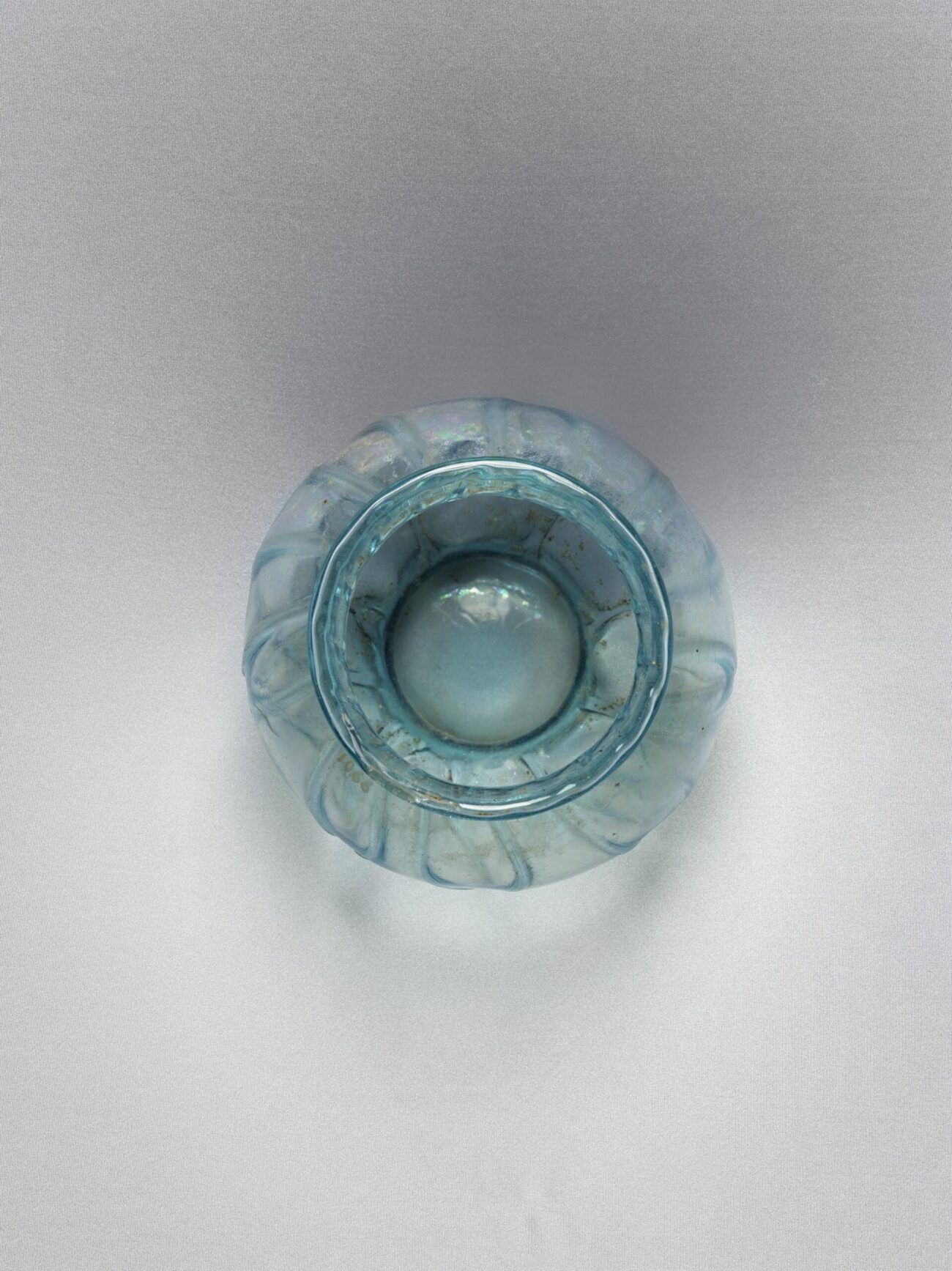
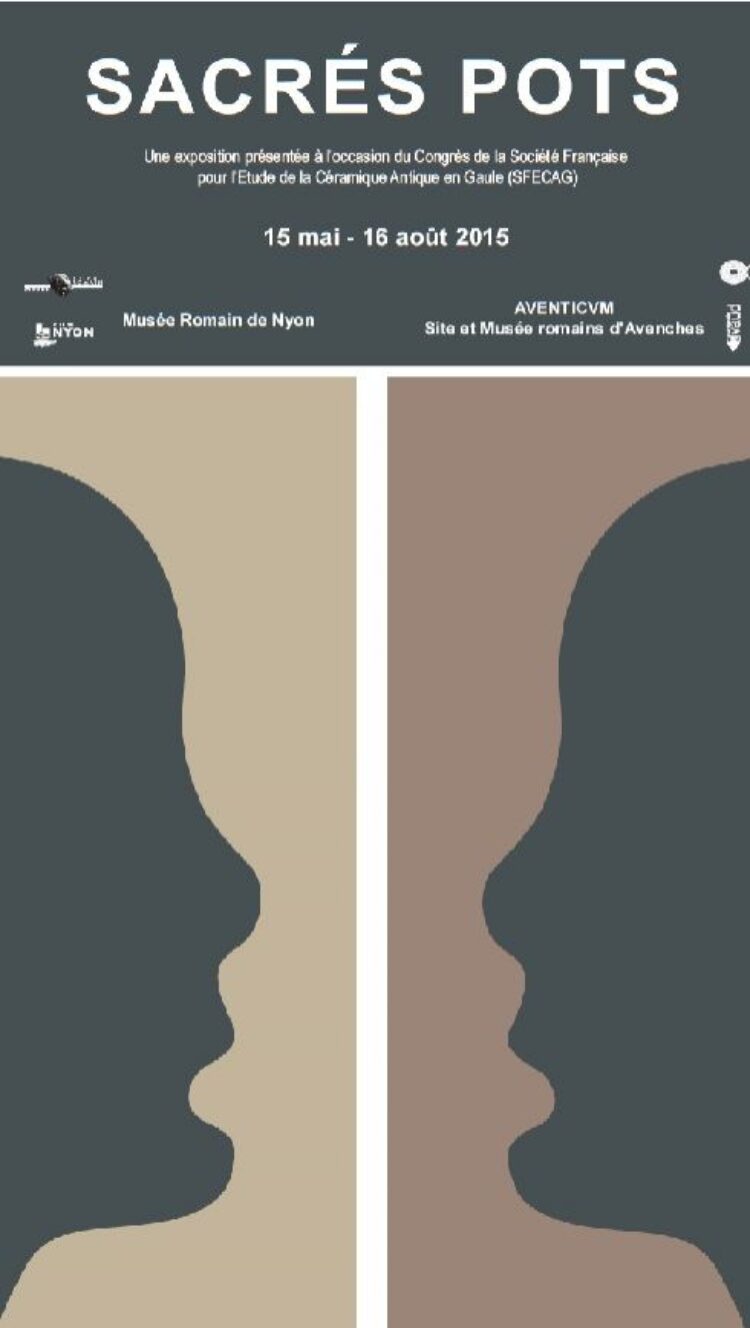
In the Roman world, religious cults and rituals dedicated to deities were an integral part of life at all levels of society. Performed in a very precise order, these rites include processions, prayers, libations, sacrifices, offerings and banquets, in which the use of ceramics is omnipresent. Behind the remains found in excavations often lie the practice of incense and wine libations, gifts of cakes or wine cups, animal sacrifices or collective banquets. The “Sacrés pots” exhibition at the Musée romain de Nyon, prepared in collaboration with the Site et Musée romains d’Avenches, sheds valuable light on the Roman era.
Ceramics, whether whole vessels or shards, are often preserved and present in large numbers in excavations. They provide researchers with invaluable information based on the observation of shapes and decorations, which vary according to time, place and use. The study of the typology, chronology, places and methods of production, distribution and trade of these objects advances our knowledge of ancient society and economy. This field is one of the pillars on which archaeological research is built.