Search
Archaeologists in action
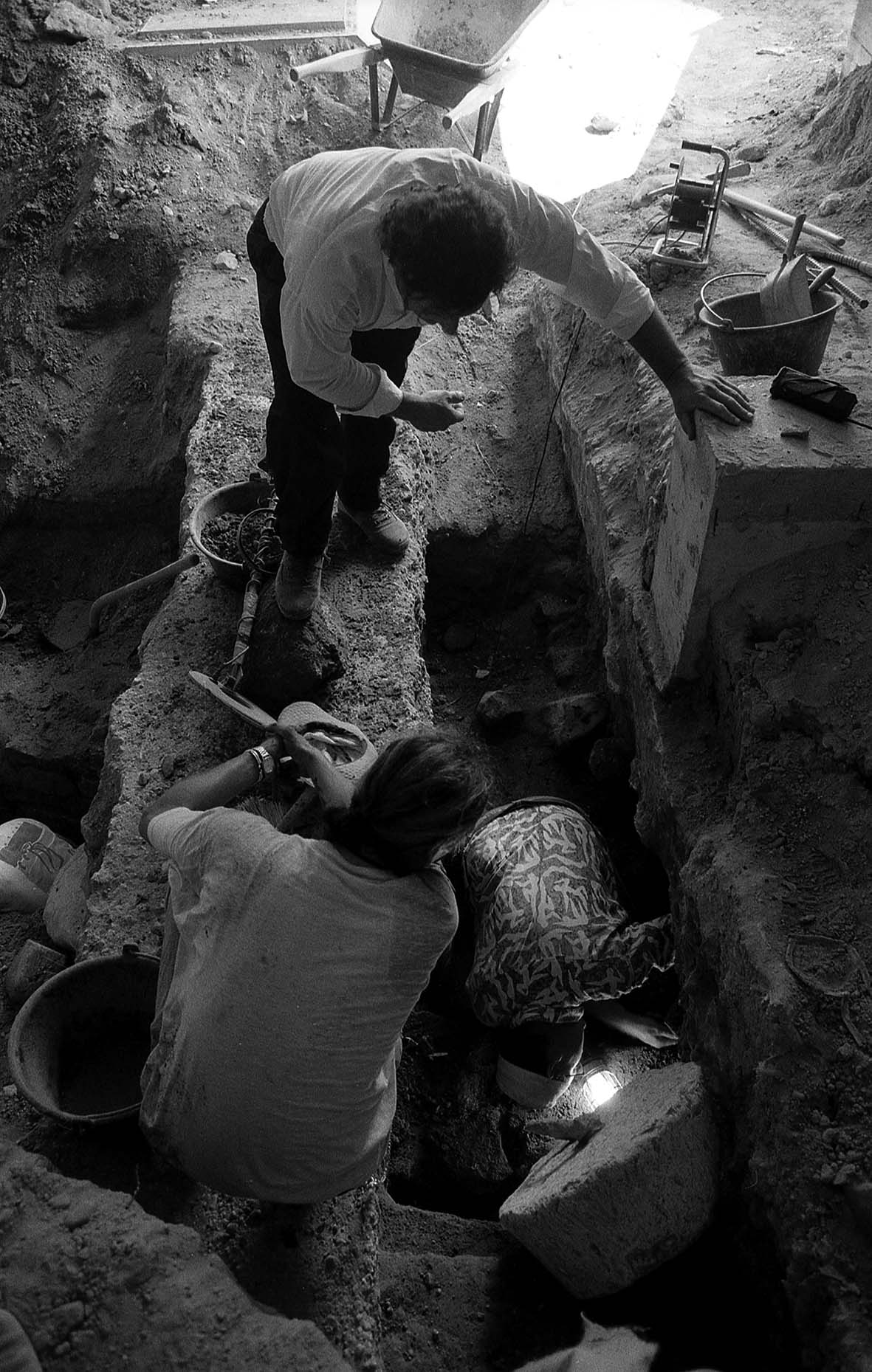
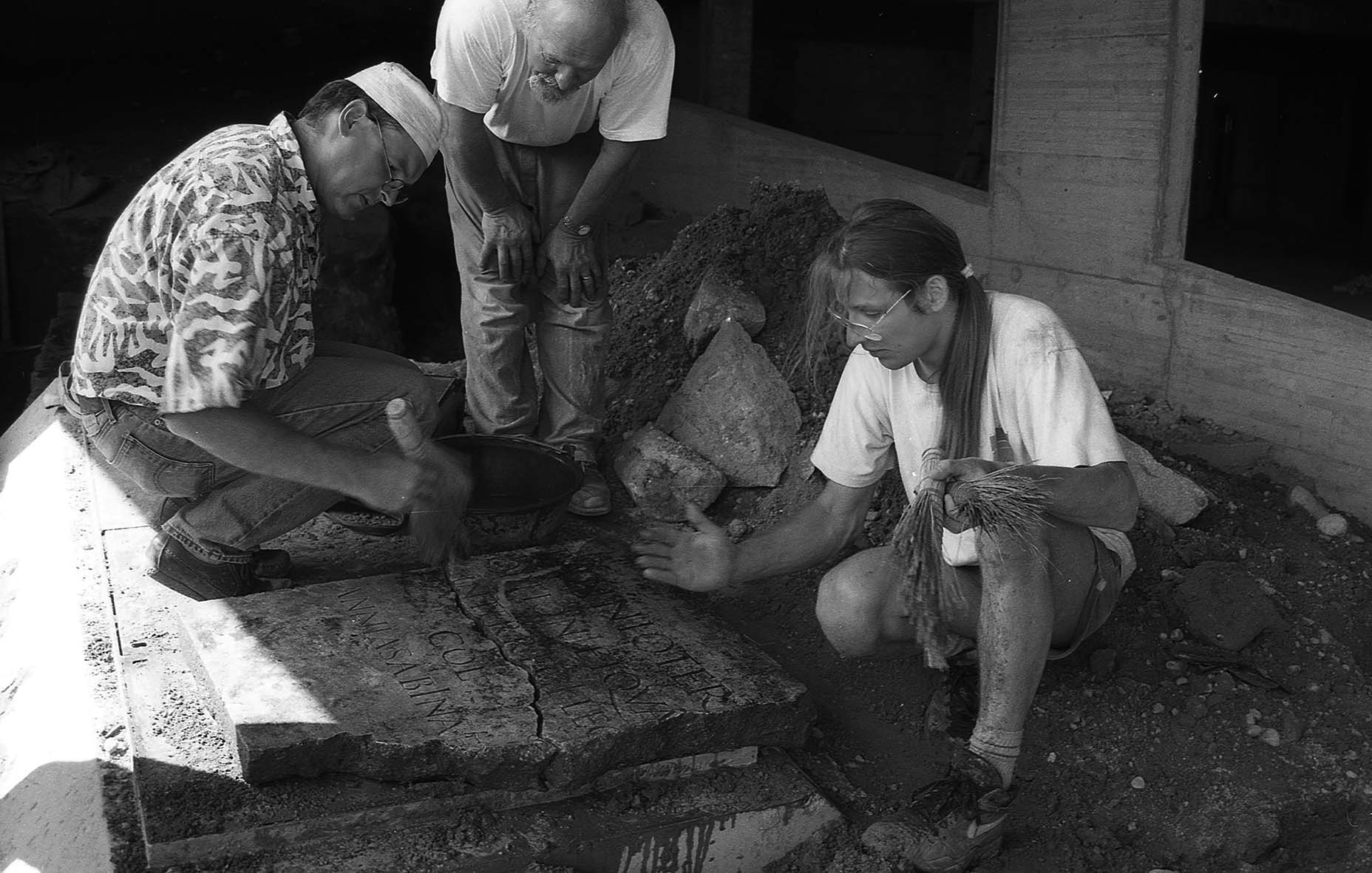
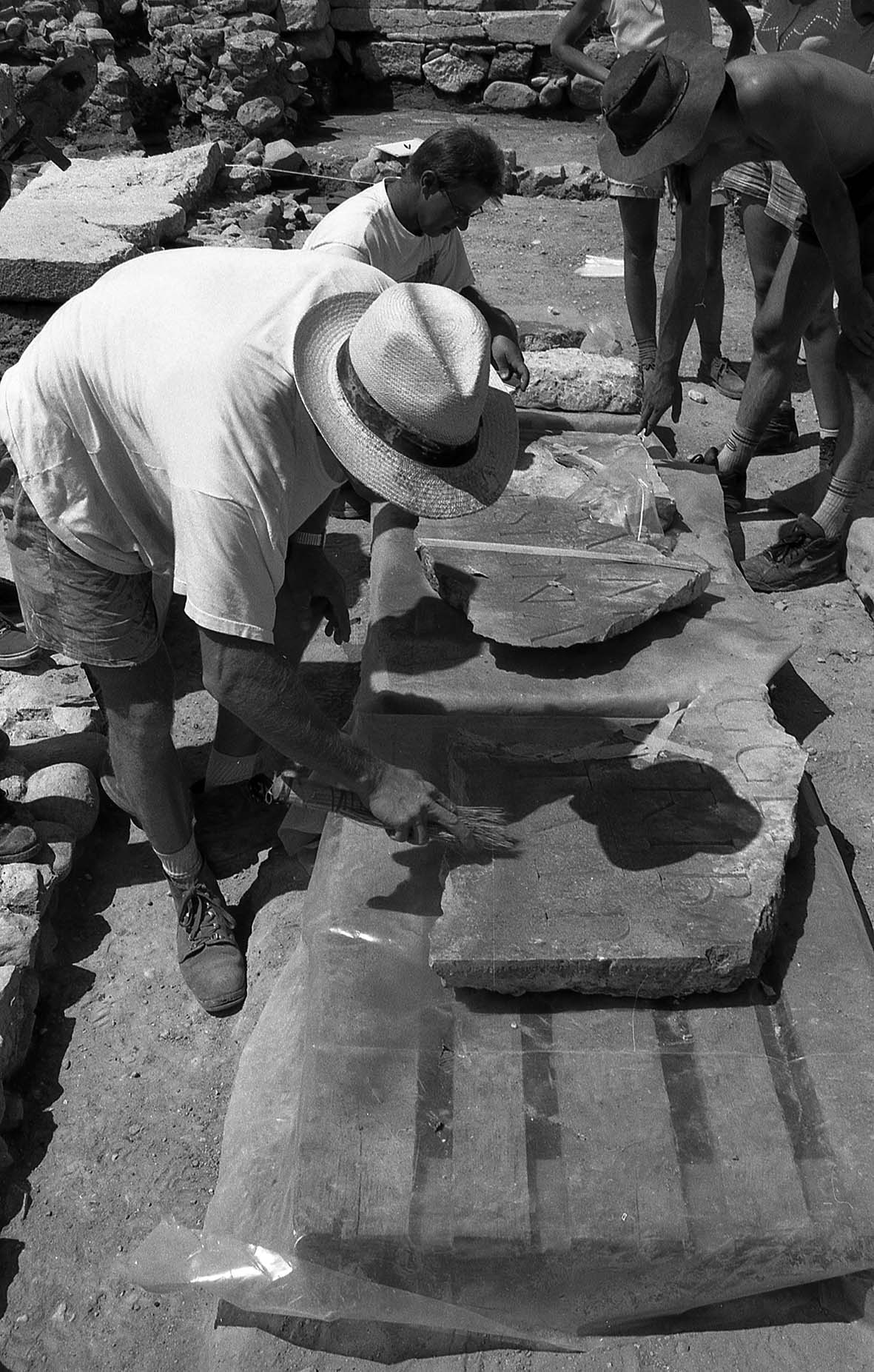
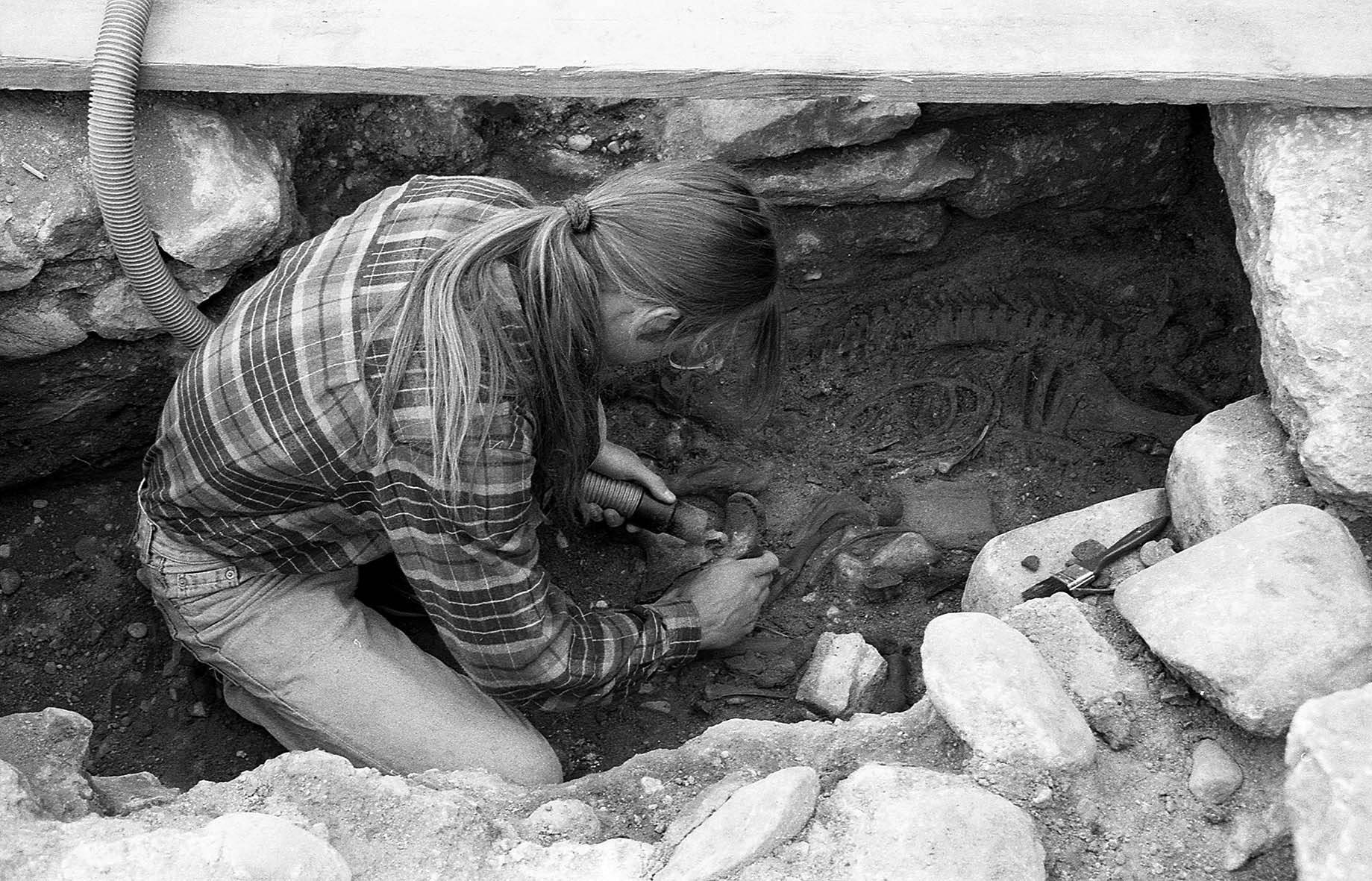
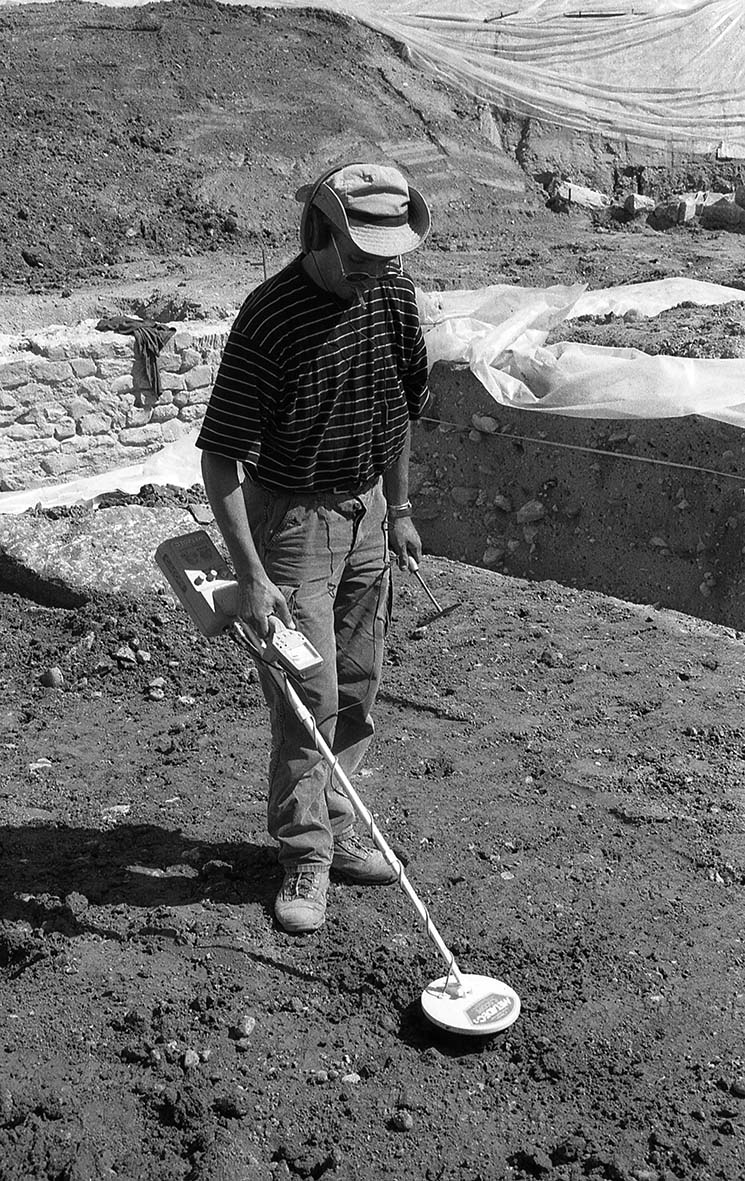
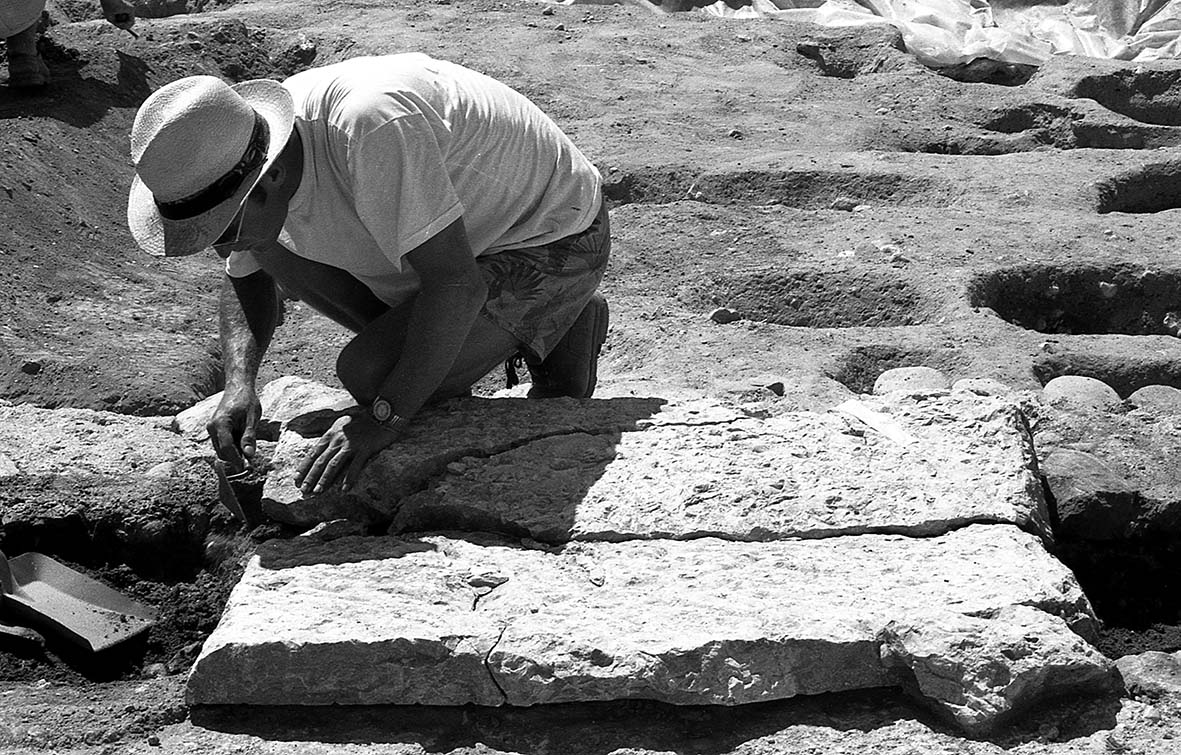
Leaning over their discoveries, the archaeologists gradually uncover elements that will each contribute their share of information to understanding the building.
A horse skeleton, deposited during Antiquity in the main sewer running through the arena, was excavated using a fine-toothed excavation, vacuum cleaner and dentist’s tools. Did it take part in the amphitheatre games, or was it deposited at a later date? At present, it is impossible to determine the reason for this deposit.
The metal detectorist spots metal objects that sometimes go unnoticed. Over 400 coins have been found on the amphitheatre site. The majority date from between the2nd and early4th centuries AD. This was the monument’s main period of activity, when it was used as a performance venue.
Two inscriptions were uncovered, fragments of which covered the arena’s pipes, with the inscribed side facing downwards. One is a monumental inscription dedicated to Emperor Trajan, dated 111 AD, which indicates that the amphitheatre was already in use in that year. The other is a dedication to Publius Annius Montanus, soldier and member of the local council, commissioned by his daughter, Annia Sabina. Both inscriptions were originally intended to adorn the walls of the amphitheatre and were replaced during the monument’s consolidation works.
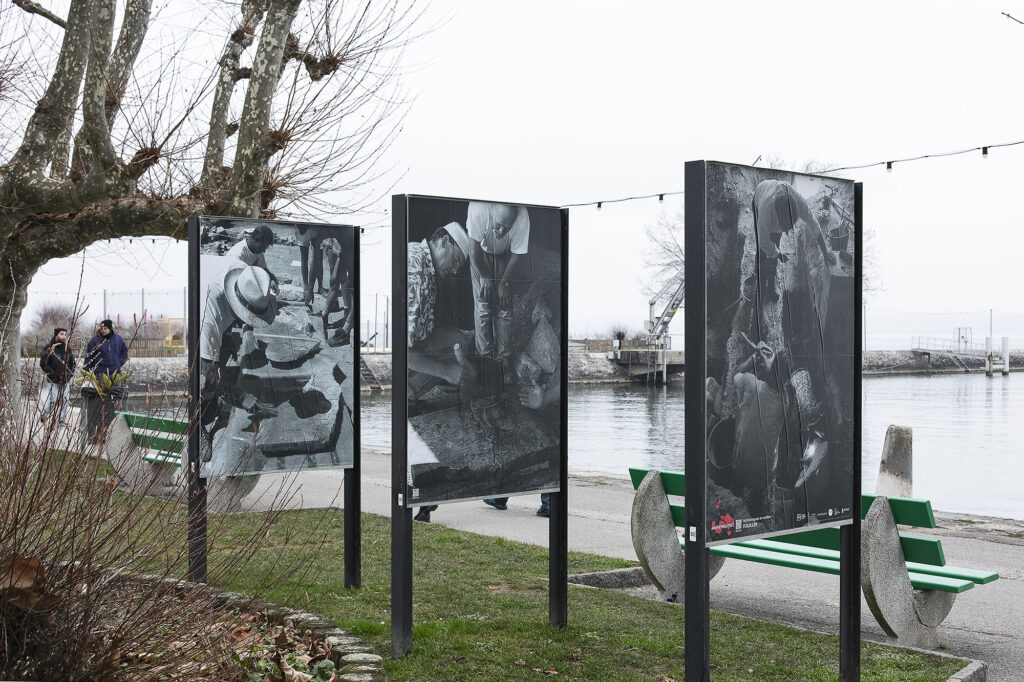
The amphitheatre on display
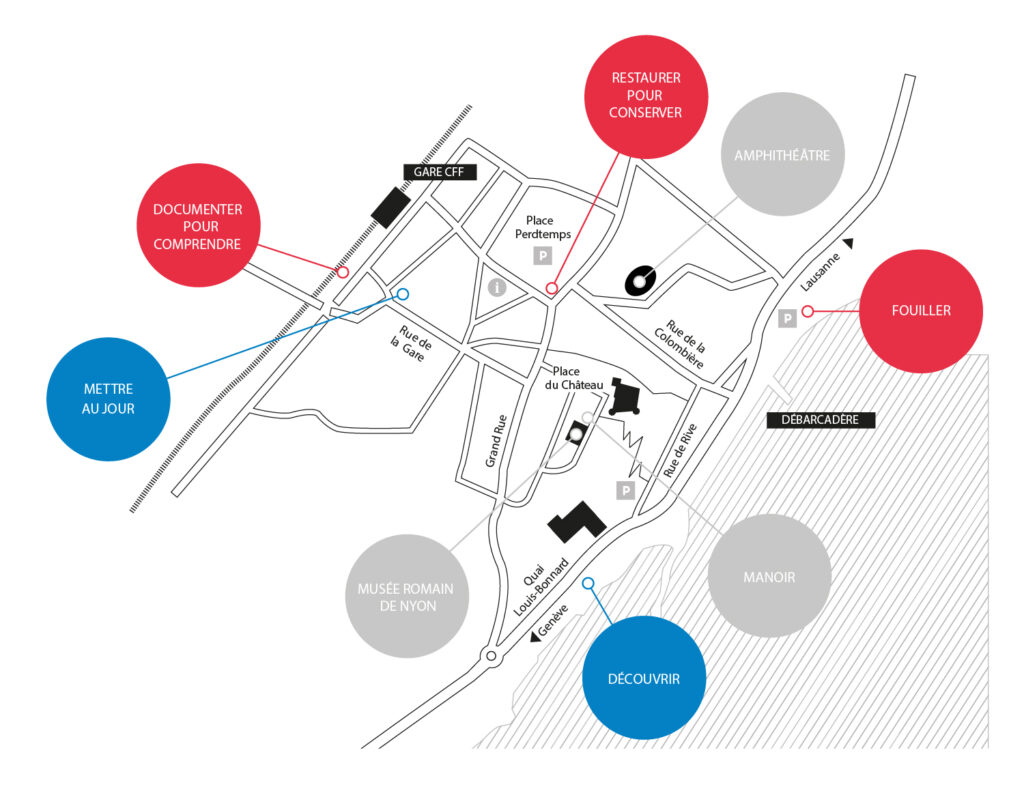
The Roman Museum of Nyon’s exhibition L’Amphithéâtre s’affiche will be on display in the town of Nyon from November 10, 2024 to January 21, 2025. It highlights the work of archaeologists through photographs taken during excavations of the amphitheatre in 1996.
Amphitheatre?
For more information on the amphitheatre, its past and its future, discover the temporary exhibition at the Roman Museum of Nyon Amphitheatre? from May 31, 2024 to January 11, 2026.
Partners


Support