Roman cuisine
In the kitchen of Nyon's Roman Museum
When it’s time to sit down to dinner, objects from Nyon’s Roman Museum reveal the taste of antiquity. What did people eat in the city 2,000 years ago? What did the streets and homes smell like? Let’s immerse ourselves in one of Nyon’s ancient kitchens and rediscover its flavors with the help of a few recipes and stories about ancient gastronomy.
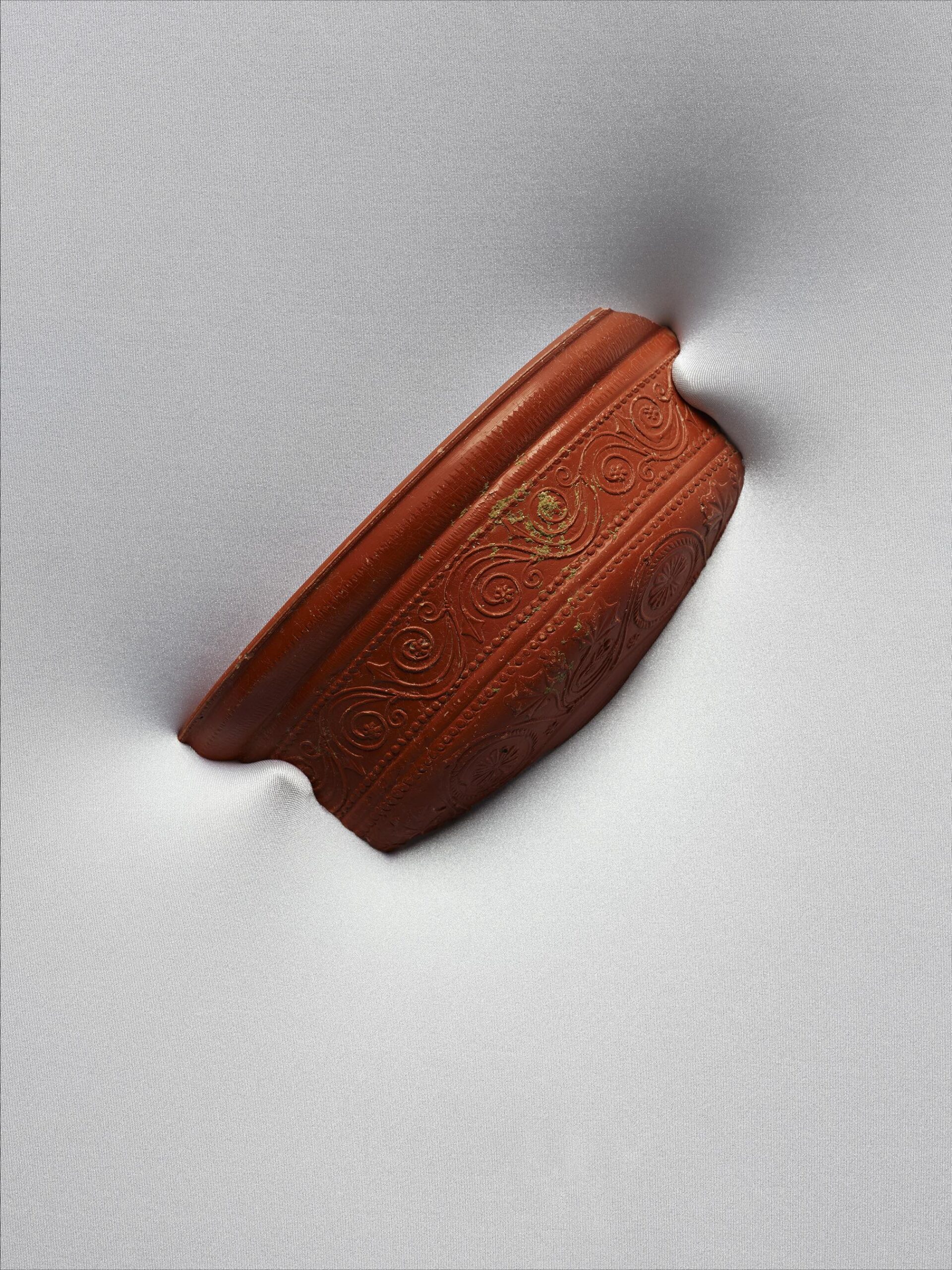
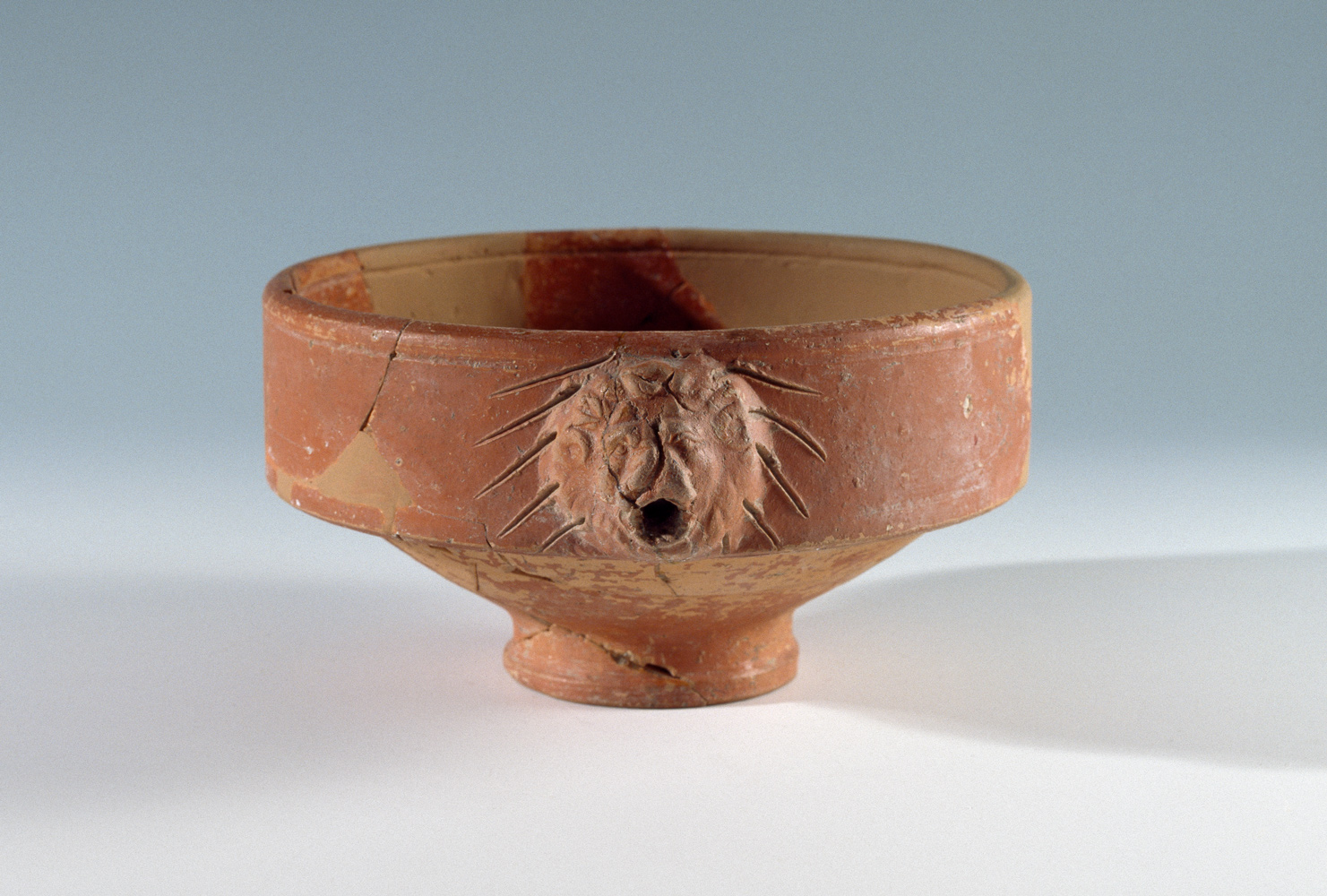
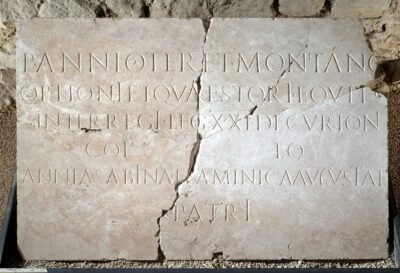
In1st B.C., the Celtic tribes that populated the region, the Helvetii, were integrated into the Roman Empire. A city was created on the shores of Lake Geneva: a colony in the image of Rome. It was called Colonia Iulia Equestris. Typically Roman buildings were erected: temple, amphitheatre, thermal baths, etc… The Roman way of life was adopted and the official language became Latin. Local traditions mingled with the new Roman customs; this blend of civilizations gave its name to the Gallo-Roman period.
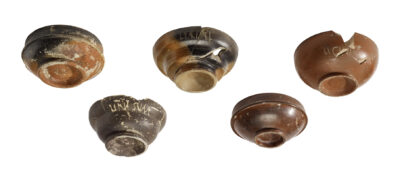
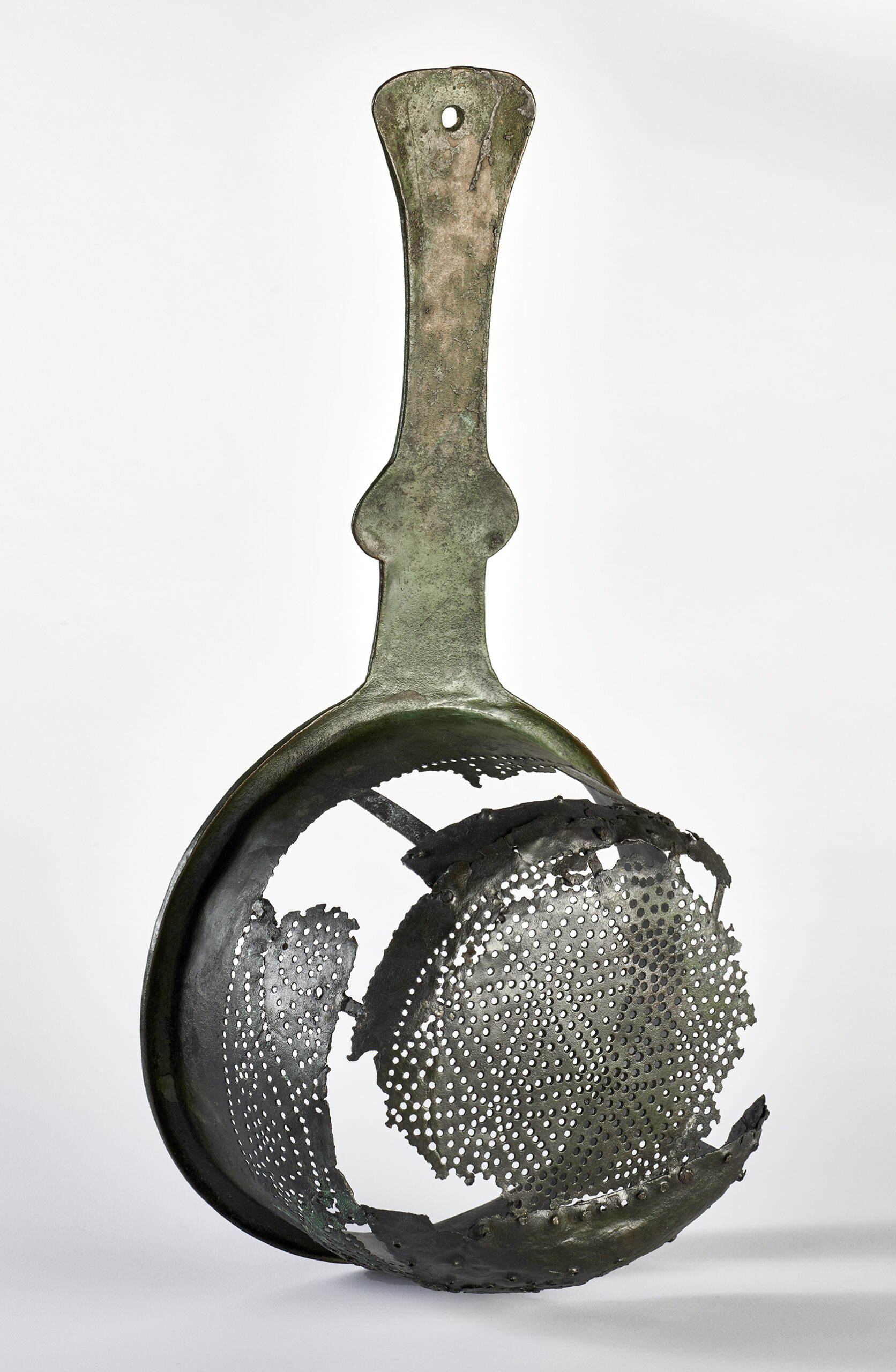
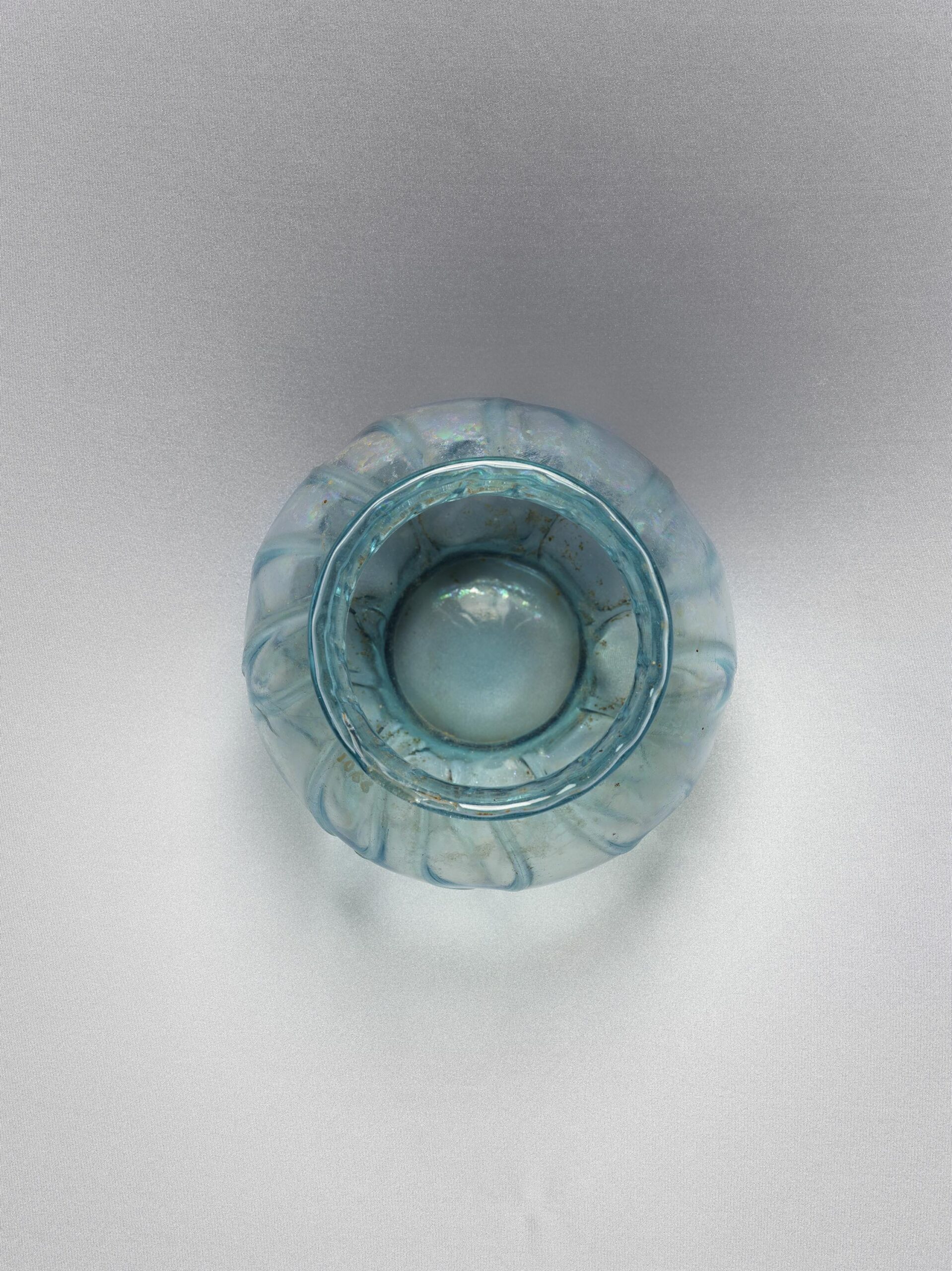
The Roman Museum in Nyon preserves the traces of this past so that we can tell its story. Buildings, inscribed stones, tools, personal objects, amphorae and crockery reveal how those who came before us lived.
Today, it’s the history of Gallo-Roman cuisine and tableware that the museum will be showcasing. In this dossier, you’ll find traditional Gallic recipes and Roman preparations to create a menu typical of Colonia Iulia Equestris. But in order to taste them, you first have to get your hands dirty.
Read more
- Apicius, De re coquinaria, L’Art culinaire, text established and translated by J. André, Paris, Les Belles Lettres, 2019 (1974).
- Flouest A., Romac J-P., La Cuisine gauloise continue, Saint-Pourçain-sur-Sioule, Bleu Autour, 2006.
- Leprêtre B., La Cuisine romaine antique, 35 recettes pour aujourd’hui, Louviers, Ysec, 2009.
- Leprêtre B., La Cuisine gauloise, 35 recipes for today, Louviers, Ysec, 2016.
- The Gellius blog: http://actu-histoireantique.over-blog.com/page-4062205.html (accessed on 19.04.20)
- A site on Roman civilization, created by a teacher of Classics: https://sites.google.com/site/civilisationromaine/la-vie-quotidienne/la-cuisine-romaine (site consulted on 19.04.20)